Bandsaw Blade
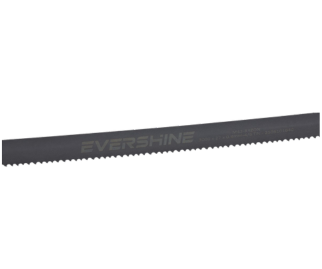
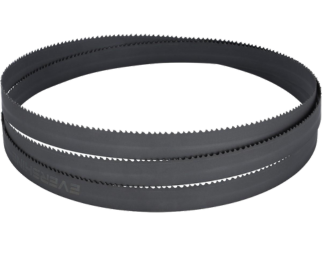
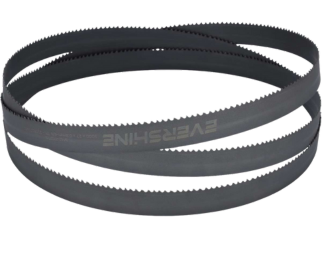
Bimetal: Combines a high-speed steel tooth tip with a low-alloy spring steel back, ideal for cutting various metals, including heat-resistant alloys and stainless steel. Carbide-tipped: Features carbide teeth welded onto a bearing band, making it suitable for cutting extremely hard and abrasive materials like surface-hardened steel and forged pieces. Diamond-coated: A specialty blade used for cutting very hard and brittle materials such as glass, ceramics, concrete, and composites.Carbon Steel: A standard, durable option for general-purpose use, particularly with wood, but often being phased out for more modern alternatives. Key features
Material: Mention the blade's construction (e.g., M42, M51, carbide-tipped) to indicate its durability and application. Dimensions: Specify the length, width, and thickness. Width is crucial as it determines the minimum blade radius for a cut. Tooth configuration
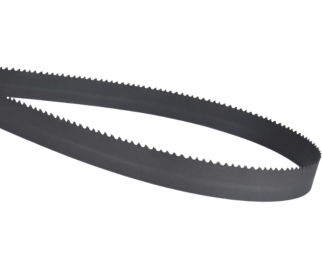
TPI (Teeth Per Inch): State the TPI, noting that lower TPI is for thicker materials and higher TPI is for thinner ones. Tooth Style: Describe the tooth shape, such as "standard" (milled), "variable," or "constant," which impacts cut quality and noise. Performance: Highlight features like the weld strength, heat treatment, and cut quality.
| Type | EVERSHINE & MEBA |